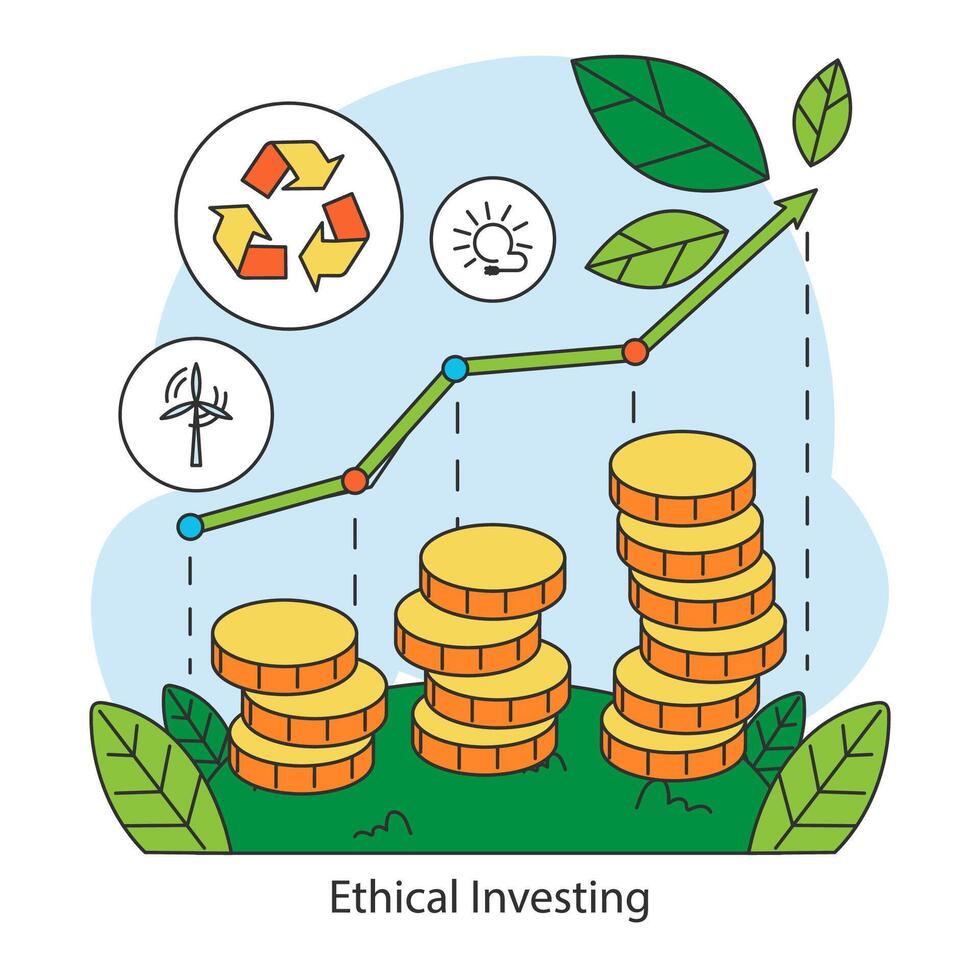
Human consumption patterns are having a growing impact on environmental systems, resource availability, and social outcomes across global supply chains. As concerns around climate change, resource scarcity, and corporate responsibility continue to rise, many individuals are rethinking how their purchasing decisions affect the world around them.
Becoming a more conscientious consumer means making intentional, informed choices about what you buy, who you support, and how those decisions align with your values. It is not about perfection, but about awareness and gradual behavioural change, shifting everyday habits toward more sustainable, ethical, and responsible consumption.
The 10 steps below provide practical ways to reduce waste, support responsible businesses, and make more conscious decisions as a consumer in today’s economy.
Here are 10 steps you can follow to become a more conscientious consumer…
Buy Less, Choose Better: One of the first things you can do to consume more ethically is to consume fewer items. Cut out the items that you don’t need.
Research Brands and Supply Chains Before You Buy: The manufacturers of your products are easy to find. Research their names with your preferred search engine to learn more about them. Stop buying brands that aren’t in line with your values.
Build a Personal List of Ethical and Sustainable Brands: To make ethical consumption easy, make a list of the brands that you trust based on the research you’ve done.
Continue to hold your favourite companies responsible: Make an effort to be aware of the companies you choose to purchase from. If their behaviour changes and they are no longer consistent with your values, make sure that you stop buying from them.
Choose sustainable and low-impact products: There are many companies that produce products in a sustainable way, or craft them from sustainable materials. Try to choose these companies whenever possible.
Choose recycled, reusable or Circular Economy Products: Recycled products are always marked with the international recycling symbol. Watch for it to help you choose recycled products.
Choose locally and regionally -produced products where possible: Choosing local products allows you to support your own community while ensuring that products don’t have to travel far. A lot of waste is produced shipping products around the globe, so a local preference can.
Network with friends to share, reuse products: Instead of throwing out used products, create a network to share items that are no longer needed with your friends. Baby clothes, child’s toys and old furniture are great trading items. Donation to a charitable organisation is another option that avoids waste.
Choose durable, long-life products: Whenever possible, choose the products that are designed to last. Even if it means paying more once, not needing to replace an item for a longer amount of time means both lower costs and less waste in the long term.
Maintain and extend the life of your products: Another part of choosing durable products is giving them the maintenance they need to last for their full lifetime. Even if it’s inconvenient, the proper maintenance guidelines for anything from cars to appliances should be followed closely.
Start Becoming an Ethical Consumer Today
Changing habits can be hard, but the reward for responsibility is a better world for all of us. Make an effort to become a more conscientious consumer today.