LISTEN
Podcasts: The Green Dream podcast: 'Not Simply Black or White: Exploring Shades of Grey
Ethical investing is rarely black and white and that is exactly what makes it worth discussing.
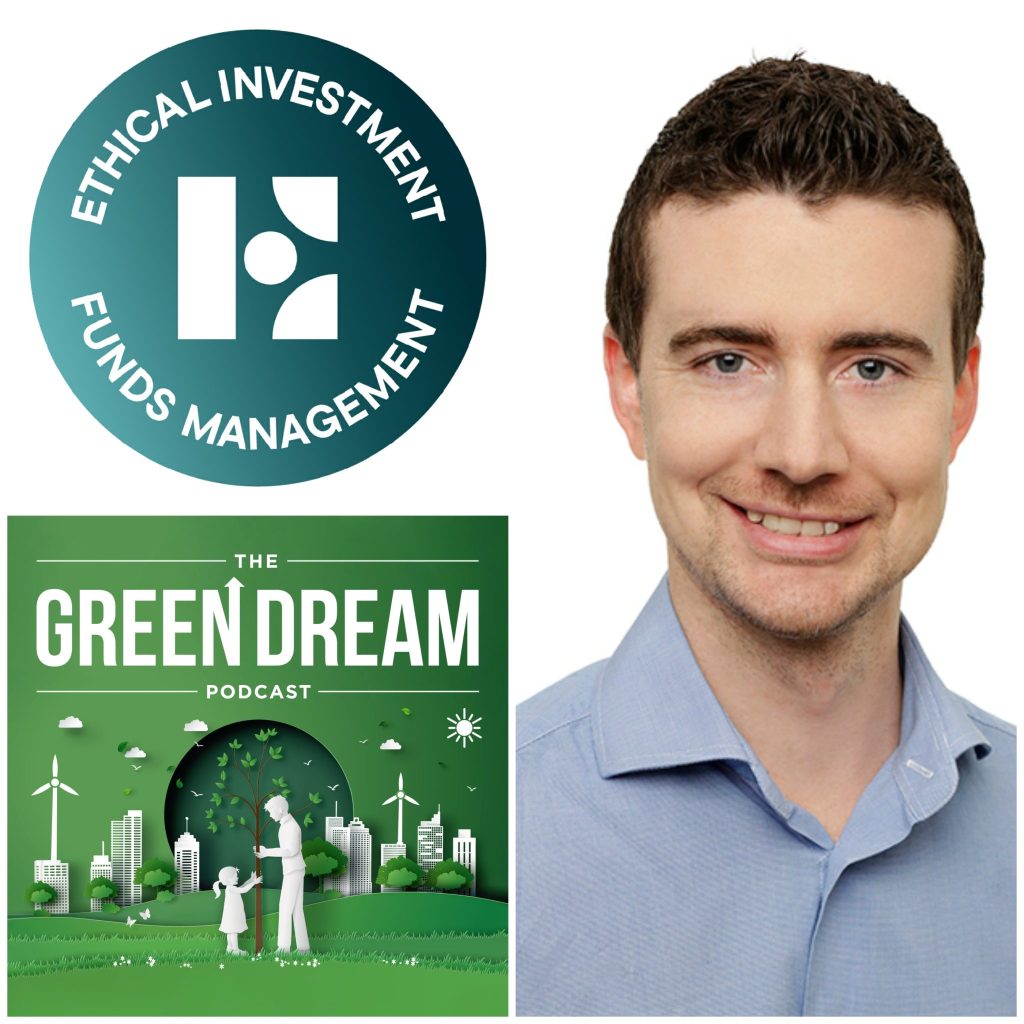
What qualifies as ‘green’? How do investors distinguish genuine positive impact from greenwashing? And where do the shades of grey sit in a market where sustainability claims are becoming more sophisticated, and more heavily scrutinised? In this episode of The Green Dream podcast, adviser James Baird is joined by Ethical Investment Advisers Luke Price to look beyond simple labels and explore the nuance that sits at the heart of ethical investing.

Wild Hope
One of our clients, award-winning author Claire Scobie, has written a new book, Wild Hope, and it feels especially resonant for our community of thoughtful, values-led readers. You can find out more here.
There is also a Q&A event at Avid Reader bookstore in West End on the afternoon of Saturday, 14 November. If you’re interested, you can get tickets to the event here.
If you enjoy podcasts, search for Claire Scobie on your preferred platform or here. She has given a couple of recent interviews about the book, offering a thoughtful glimpse into the themes behind Wild Hope.
‘Wild Hope is the eloquent and compassionate story of a future that rests within us.’ – Paul Hawken, New York Times bestselling author of Regeneration: Ending the Climate Crisis in One Generation
Please feel free to share the event details with anyone who may enjoy an afternoon of thoughtful conversation, ideas and hope.
Brisbane West Eco Fest
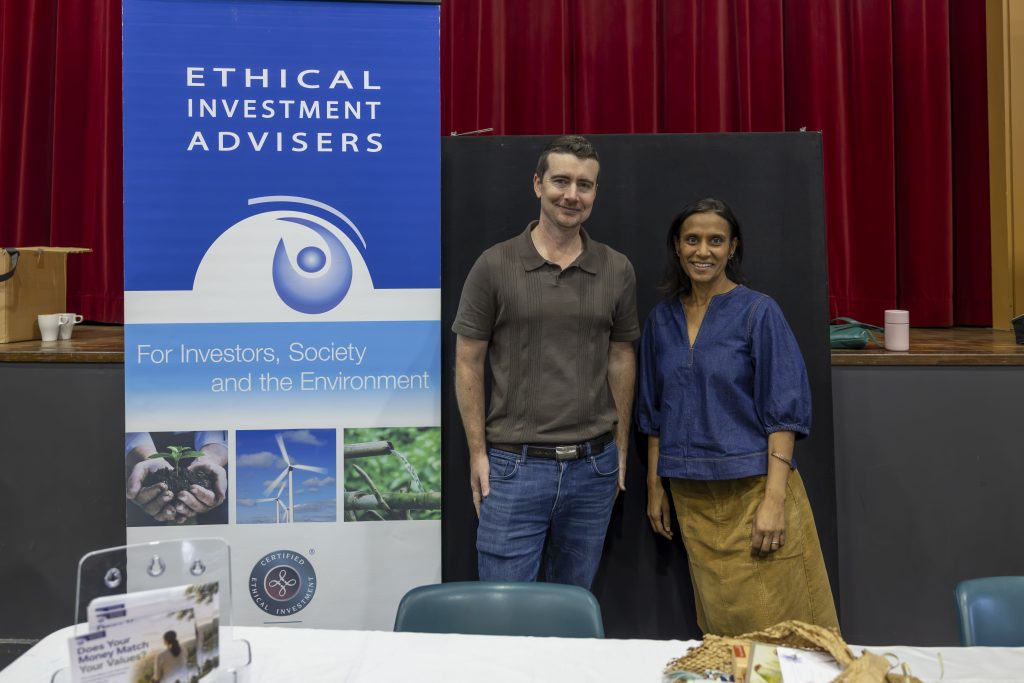
It was an energising day being part of the success of the Brisbane West Eco Fest and to see the community coming together to learn, connect, discover local initiatives and find practical ways to take action for our environment.
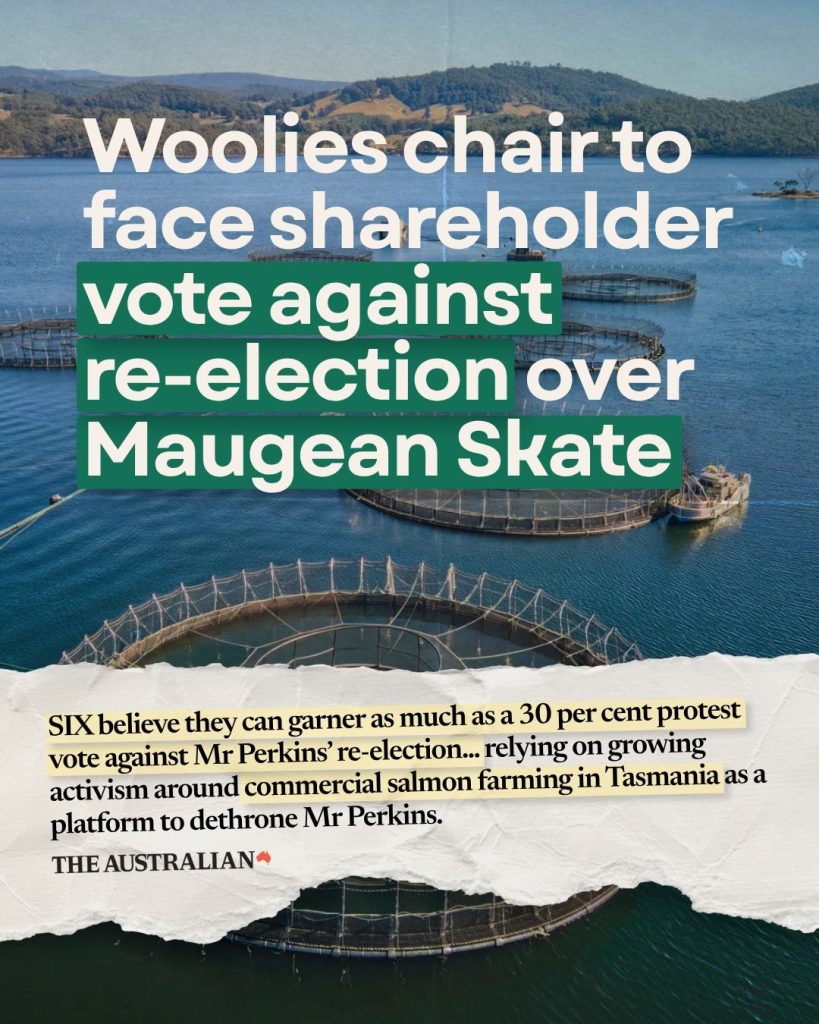
Woolworths chair to face shareholder vote over Maugean Skate
We’re proud to support Sustainable Investment Exchange (SIX) and the Save the Skate campaign, using shareholder advocacy to press Woolworths for stronger action on nature-related risks and the future of the endangered Maugean skate.
The campaign recently reached a significant milestone, making front-page news in The Australian after SIX supported by 230 Woolworths shareholders, filed a members’ statement ahead of the company’s 2026 AGM.
The statement calls on shareholders to vote against the re-election of Woolworths board chair Scott Perkins, reflecting growing concern that the company continues to source salmon from Tasmania’s Macquarie Harbour despite the serious risks to this rare species.
SHAREHOLDER ACTIVISM
Supporting Market Forces campaigns to shift finance away from fossil fuels
At Ethical Investment Advisers, we believe capital has influence well beyond the companies we choose to hold. That is why we have continued to support Market Forces’ work to challenge fossil fuel expansion and shift finance away from projects that carry material climate, environmental and community risks. The impact is becoming increasingly visible: a further 12 banks have now ruled out financing the proposed $15 billion Papua LNG project, in which Santos is a major investor. This builds on 15 banks and credit agencies, including CBA, ANZ, NAB and Westpac, that had already committed not to fund the TotalEnergies-led project.
Market Forces CEO Will van de Pol noted that many major banks, including Australia’s big four, are recognising the financial, environmental and reputational risks attached to the project. The final investment decision has been delayed for several years and is now expected later in 2026, leaving MUFG and other Japanese banks increasingly isolated as international lenders continue to step back.
Importantly, the campaign has also helped elevate community voices. With support from 175 donors, Market Forces helped two PNG community representatives attend the Santos AGM, where local concerns about Papua LNG were publicly voiced for the first time. Peter Bosip, executive director of PNG’s Centre for Environmental Law and Community Rights, warned that financing the project was like borrowing against the future: “Our land, sea, forests, reefs and communities will pay the debt long term after gas is gone,” he said.
Proposed Criminal Offence for Failing to Prevent Modern Slavery
As ethical advisers, we consider Modern Slavery when assessing whether fund managers and companies have strong policies and due diligence in place, including around supply-chain standards. Australia’s proposed modern slavery reforms are an important development for investors who care about the quality of corporate supply chains, not just the headline products companies sell.
The Government has announced changes to strengthen the Modern Slavery Act, including a new criminal offence for companies with over $100 million in revenue that fail to prevent modern slavery in their supply chains. The proposal includes a defence where a company can demonstrate it took reasonable steps to prevent abuse, along with civil penalties and enforcement powers to address non-compliance.
Is there an ethical way to play AI?
Artificial intelligence is rapidly becoming one of the defining investment themes of the decade, but for ethical investors it raises difficult questions.
The opportunity is significant, yet so are the concerns around energy use, labour impacts, data governance, surveillance and market concentration. This piece is a useful starting point for thinking about whether there is an ethical way to participate in the AI theme without ignoring its trade-offs.
FSsustainability
How to reduce the risk of lithium-ion battery fires
Lithium-ion batteries are now part of everyday life. If you are reading this on a phone or laptop, you are holding one of the world’s most widely used battery technologies.
Lithium-ion batteries power everything from mobile phones, tablets and laptops to power tools, e-bikes, e-scooters and electric vehicles. They are also central to the clean energy transition, which makes it important to understand both their benefits and the practical risks that come with using them safely.
And while there are many benefits to lithium-ion battery technology, greater energy storage, recharging capacity and scalable size, they present a significant fire hazard if not managed properly.
How to reduce the risk
• Buy batteries and chargers from reputable brands, and only use chargers designed for the device.
• Keep batteries away from heat, direct sunlight and parked cars on warm days.
• If charging several devices, consider a purpose-built charging cabinet.
• Unplug batteries once charging is complete.
• Check batteries, cables and devices for damage, swelling or overheating, and dispose of damaged items safely.
When disposing of lithium-ion batteries, tape the terminals, store them in a lidded metal container and take them promptly to an approved battery recycler.