
If you have been thinking about your retirement planning in Australia, the start of the 2026 to 2027 financial year is a good time to pay attention. Several important superannuation changes in 2026 have now taken effect, including higher contribution caps, payday super Australia, a higher transfer balance cap and new tax rules for larger balances. In plain English, that means there may be more room to build retirement savings inside super, but it also means the rules are getting more technical and timing may matter more than ever.
One of the headline super changes from 1 July 2026 is the increase in the concessional contribution cap 2026 from $30,000 to $32,500. The non-concessional contribution cap 2026 has also risen from $120,000 to $130,000. For Australians looking to maximise super contributions, that may create more flexibility to top up retirement savings in a tax effective environment. If you are still working, this could be relevant for employer contributions, salary sacrifice arrangements and personal deductible contributions. If you are contributing after tax money, the higher non concessional cap may also create extra room.
There is also an important flow on effect for people using the bring forward rules. From 1 July 2026, eligible individuals under age 75 may be able to contribute up to $390,000 over three years if their total super balance on 30 June 2026 was below $1.84 million. If their balance was higher, the available amount may be lower, and if it was $2.1 million or more, the non concessional cap may be nil. This is one of the reasons retirement savings Australia strategies now deserve an early year check rather than a last minute scramble in June.
Another major update is payday super. From 1 July 2026, most employers must pay super guarantee contributions for each payday rather than quarterly, and those payments generally need to reach the employee’s super fund within 7 business days after payday. The super guarantee rate remains 12 per cent, but it is now calculated on qualifying earnings rather than ordinary time earnings. For workers, that may improve visibility over whether contributions are being paid. For retirement income planning, getting money into super earlier may give investments more time in the market over the long term.
The transfer balance cap 2026 has also increased from $2 million to $2.1 million. That matters because the transfer balance cap is the limit on how much super can be moved into retirement phase, where earnings are generally tax free. For people starting a retirement phase pension for the first time on or after 1 July 2026, the personal cap is $2.1 million. For people who already started a pension, any increase may depend on how much of their cap they had previously used. This change may be particularly relevant for pre retirement planning, pension commencements and retirement income decisions.
A newer issue that is also getting attention is Division 296 tax. From 1 July 2026, Division 296 tax applies to certain taxable super earnings where a person’s total super balance exceeds the large super balance threshold of $3 million. There is also an additional 10 per cent rate for the portion of taxable super earnings linked to balances above the very large super balance threshold of $10 million. This measure is aimed at larger balances, so it will not affect most Australians, but for those near or above these levels it may become an important part of superannuation and tax planning.
So what might this mean in practice? For pre retirees, higher caps may create more room to boost super in the years before work slows down. For business owners and self employed Australians, it may be worth reviewing salary sacrifice, deductible contribution timing and whether higher caps change your cash flow planning. For retirees or people approaching pension phase, the higher transfer balance cap may create extra flexibility about how much can move into a tax free retirement income stream. These are not one size fits all outcomes, but they do show why reviewing superannuation advice early in the financial year may be worthwhile.
Here is a simple example. If someone expects roughly $15,000 of employer super contributions over the year, the new concessional cap of $32,500 may leave extra space for salary sacrifice or a personal deductible contribution. If someone receives an inheritance or sells an asset, the higher non concessional cap and bring forward rules may open up a larger after tax contribution opportunity than in the previous year. These examples are illustrative only, but they show why many Australians are searching for how much can I contribute to super in 2026 and how to maximise super before retirement.
There are also some common mistakes to avoid. The first is assuming your cap applies per fund rather than across all your super funds combined. The second is forgetting that contribution timing is based on when the super fund receives the money, not when you send it. The third is triggering a bring forward arrangement without checking your total super balance first. The fourth is overlooking carry forward super contributions. If your total super balance was less than $500,000 on 30 June of the previous financial year, you may be able to use unused concessional cap amounts from the previous five years.
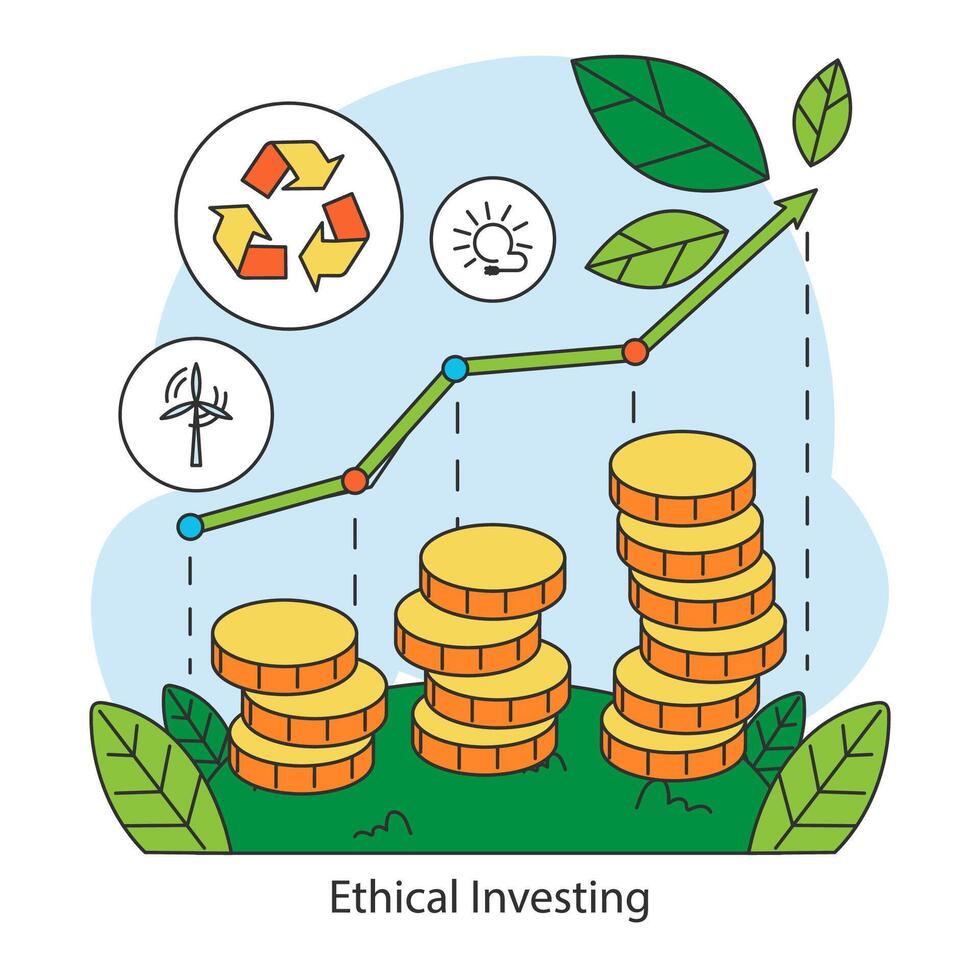
For investors who care about values as well as returns, these higher caps may also create more room to review ethical investing and superannuation options. That does not mean every fund or option will suit every person, but it may be a good moment to check whether your super investment mix still aligns with your long term goals, risk comfort and personal values. In a year with so many Australian superannuation rules changing at once, the strategy conversation may be just as important as the numbers.
The key message is simple. The super changes from 1 July 2026 may create new opportunities, but they also add complexity. Whether you are still working, self employed, nearing retirement or already drawing income from super, this financial year may be a sensible time to review your settings early rather than waiting for the end of June. Good retirement planning Australia work is often about getting the basics right, understanding the thresholds and making sure your actions are timed properly.