What is a Private Ancillary Fund (PAF) in Australia?
A private ancillary fund, often referred to as a PAF, is a philanthropic trust structure that supports a more planned and thoughtful approach to charitable giving.
It allows you to move beyond one-off donations and instead establish a longer-term giving strategy. A PAF gives you greater control over your philanthropic decisions, while enabling you to contribute over time. When you establish a PAF, your donation is invested, and the earnings from those investments are distributed to charities of your choice in perpetuity.
Why Structured Giving Is Growing in Australia
As intergenerational wealth transfer accelerates in Australia, more families are seeking structured and values-aligned approaches to philanthropy. Private and public ancillary funds are increasingly being used not only for tax-effective giving, but to create long-term charitable legacies, involve future generations in philanthropy, and support causes aligned with environmental and social values.
How does a Private Ancillary Fund Work
A PAF is a type of charitable trust, essentially your own foundation that you establish and control for the purpose of supporting eligible charities.
Put simply, when you establish a PAF, you donate capital into it (typically an initial contribution of $500,000-$1 million) and receive an immediate tax deduction for the donation. Alternatively, the tax deduction can be spread over up to five years.
The capital is then invested for the long term, with a minimum of 5% of the fund’s value distributed each year as grants to charities.
Benefits of a Private Ancillary Fund: Control and Flexibility
A private ancillary fund gives you a high degree of flexibility and involvement in your philanthropy.
You retain control over how your capital is invested and the amount you distribute each year to support your preferred causes. This allows your giving to be both structured and responsive, evolving alongside your values and priorities.
Giving is planned and effective. Giving through a private ancillary fund inspires future generations, and provides families with unexpected and welcome rewards, as you share your philanthropic values.
Tax Benefits of a Private Ancillary Fund
A PAF can also enhance the impact of your giving through its tax-efficient structure.
The money you donate into your private ancillary fund (both now and into the future) is tax exempt, and franking credits are refunded, so your philanthropic dollar goes much further.
Long-Term Philanthropy with a Private Ancillary Fund
A private ancillary fund offers one of the most flexible and hands-on approaches to structured giving. It enables a long-term, considered approach to philanthropy, while giving you greater control over both investment decisions and the distribution of funds to your preferred Deductible Gift Recipient (DGR) charities.
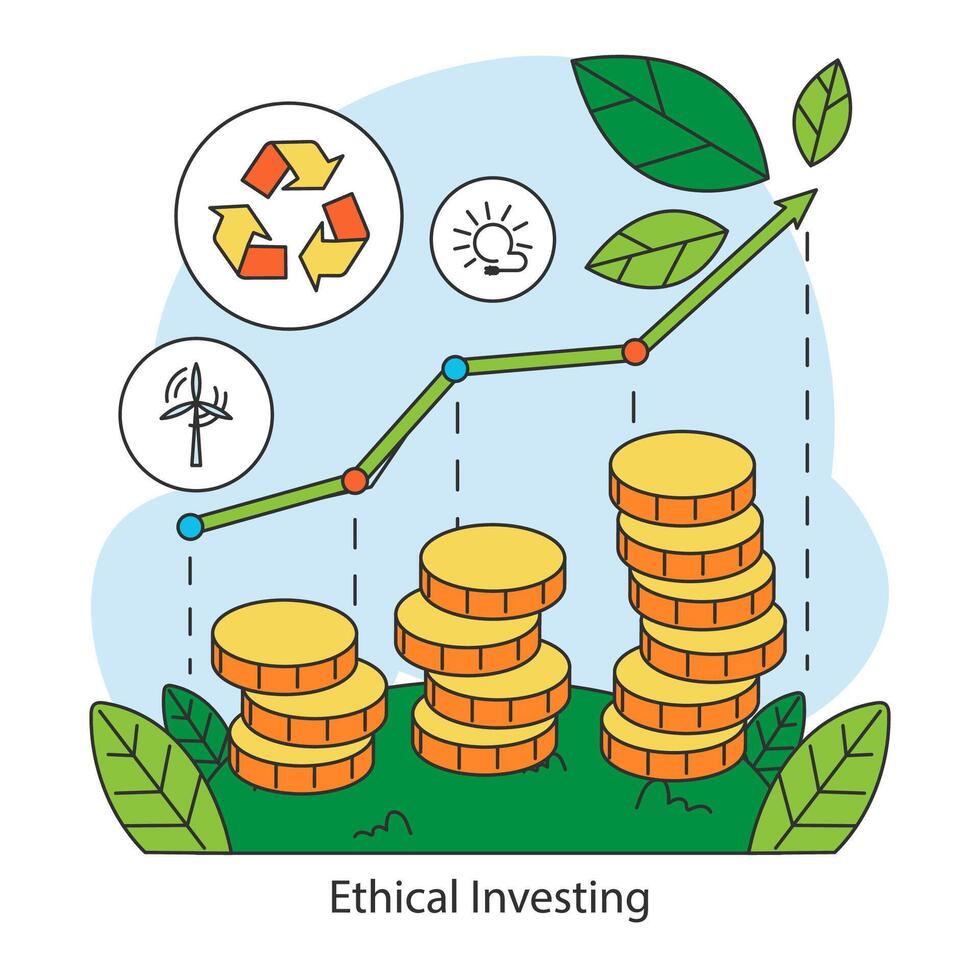
PAFs can help families build a long-term culture of giving while supporting causes aligned with their social and environmental values.
Private Ancillary Fund Requirements, Costs and Administration
Establishing and managing a PAF does involve some administrative responsibilities and ongoing costs.
These may include appointing an independent trustee, holding formal meetings, preparing annual tax returns, and managing the investment portfolio. There is also a requirement to distribute a minimum of 5% of the fund’s assets to eligible charities each year.
We can assist you in sourcing reputable providers to support these services upon request.

Why set up a philanthropic structure?
Tax deductions can be an attractive incentive for establishing a philanthropic structure, but they are only part of the picture. Many people choose to set up a foundation for a range of reasons, including the opportunity to involve family members in giving, address succession planning considerations, and maintain a long-term, active role in supporting the causes they care about.
Family is perhaps one of the most powerful incentives as giving through a PAF is a good way to engage other family members. It can increase children’s social awareness and help to inspire future generations.
For example: A family business owner who experiences a liquidity event such as a business sale or equity realisation may establish a PAF or PuAF to obtain an immediate tax deduction while deferring decisions about which charities to support. This structure allows time for considered research and a more deliberate approach to long-term philanthropic strategy, while also enabling the involvement of future generations in shaping giving decisions.
Philanthropy isn’t just for the super wealthy
There is a perception that philanthropy is only for the super-wealthy. Certainly, you do need a reasonable level of wealth to set up your own structure, but it is by no means the realm of high profile business people and the ultra-rich alone. A sub-fund can be established with a donation of $50,000, and the funds can be invested according to your ethical criteria.
When people first start and are still growing the assets of their foundation, the grants being distributed are likely to be relatively modest in size. This does not mean that they are ineffective. Part of the beauty of having your own structure is that you are not bound by the bureaucracy of some of the larger, more established foundations. Donors can be nimble and responsive, using their intuition and stepping in quickly where other funders may not be able to respond promptly.
Small grants given in a considered way can be very impactful. Many people like to fund those areas that are overlooked by government, or to support slightly riskier, pilot projects that seek to find new ways to respond to some of society’s most entrenched and difficult issues. Many people will also make a contribution that is much more powerful than dollars alone, using their expertise, skills and networks to support the charities in which they are involved.
Getting started
Setting up a PAF is straightforward but, as a new entity has to be established, you’ll need to allow a reasonable amount of time to get something up and running before 30 June.
Structured giving vehicles such as PAFs are helping more Australians take a long-term and intentional approach to philanthropy. Whether supporting community organisations, environmental initiatives or social impact projects, these structures can help donors align wealth with purpose while creating a lasting charitable legacy.
PAFs: Frequently Asked Questions
How often do I need to contribute to my fund?
You can contribute as often or as infrequently as you choose.
Can I receive a tax deduction?
Yes. Contributions to a PAF are generally tax deductible and can be claimed immediately or spread over up to five financial years.
Can members of the public contribute to my fund?
No. A private ancillary fund is a private charitable structure and cannot receive public donations.
Who acts as trustee of the PAF?
A special purpose company is typically established to act as trustee of the fund.
Who can be directors of the trustee company?
Directors are usually family members and/or business associates, together with at least one independent director known as the “Responsible Person”.
Can I have input into grant-making decisions?
Yes. The directors of the trustee company determine which eligible charities receive distributions from the fund.
Which charities can receive grants?
Distributions can only be made to charities with Deductible Gift Recipient (DGR) Item 1 status.
Who manages the investments within the PAF?
The investments can be self-managed or professionally managed. We can assist in sourcing reputable investment management providers where required.
Are there establishment and ongoing costs?
Yes. Costs may include legal establishment, trustee administration, accounting, compliance and investment management fees. Contact us for further details.
Can I withdraw money from the PAF?
No. Once funds have been contributed to a PAF, they must remain within the structure and be used for charitable purposes.